Rent prices across the country rose by 3.7 percent in November, a significant spike from 2.8 percent rise recorded during the same time last year.
Single-Family Rent Index report released by CoreLogic on Tuesday, rent growth has picked up and is accelerating at a rapid speed even as the country grapples to control the pandemic.
Due to low inventory, unemployment has yet to make as much of an impact on rental prices as many analysts predicted at the start of the pandemic.
These real estate markets reported record-setting activity in 2020, despite enduring a weaker spring market due to social distancing protocols.
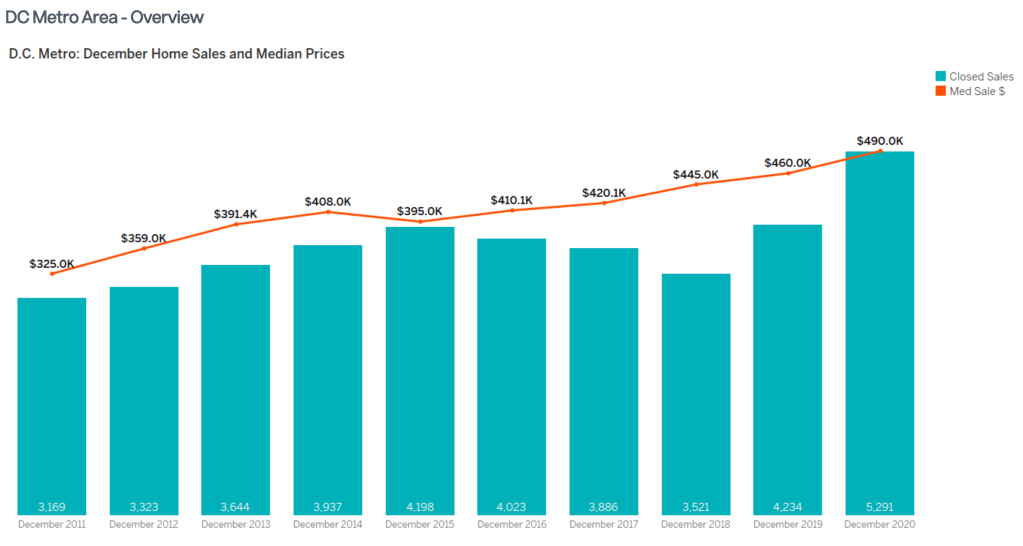
The following analysis of the Washington, D.C. Metro housing markets has been prepared by Bright MLS and is based on December 2020 Bright MLS housing data.
In Summary:
In 2020, the total sales dollar volume for the D.C. metro reached $34.6 billion (+11.7%).
Total sales volume for the year (57,266) ended up 3.3%. Seven months of the year marked ten-year monthly highs.
New listing volume was essentially flat with 2019. Combined with strong buyer demand, it created the region’s tightest market on record.
The year saw buyers snap up homes across the metro area, as days on the market fell into the single digits for the first time (nine days).
In December, new pending sales showed an unprecedented year-over-year growth, up 30.3% in a traditionally slow month. It was the best gain for any month in the past ten years.
Leading economists say the labor, housing, and stock markets will reach crucial markers that will indicate the recovery’s progress. From NAR’s virtual Real Estate Forecast Summit, Dec. 10
Housing Market
The housing market has been a bright spot this year, though inventory is a challenge. The problem, Berson says, isn’t just homebuilding and permitting but also getting prospective sellers to put their homes on the market. “Hopefully, people will feel good about strangers coming into their home once there’s a vaccine,” he said. – Realtor Magazine
No it’s not the pandemic; there we can only follow safety precautions and hope.
Rather it’s one of my clients’ timeline to Sell and Buy during 2020. How did they go from a home of 9 yrs, with three school-aged children and two full time working parents into a new build that will suit their family for the next 20+ years during an unimaginable world wide pandemic? One step at a time.
We first connected on October 20, 2019. From there, we developed an individual step by step plan of ‘how to’ execute their real estate goals. Following that plan led them to identifying the location, negotiating with the builder of their new home, and ratifying on Jan 1, 2020. Coordinating with the builder, designers, lender and title resulted in closing on October 2, 2020, three months behind schedule due to pandemic related delays.
Then it was time to list their home of 9 years.
Despite being three months behind our original timeline, we referred back to the step by stepplan we had created. Without skipping a beat, my clients stuck to the plan and completed everything we had discussed to get the house ready for market. We listed on a Thursday, ratified 5 days later on that Monday and closed in 21 days on November 30, 2020.
Regardless of having to make offers knowing they are up against multiple competitive buyers, some having to write on several houses before going under contract, buyer activity is continuing to rise.
It’s worth rethinking your timeline on selling. Developing a plan is free.
Getting a house market ready is a step by stepprocess. It takes active participation from agent and owner(s). One of the most valuable insights an agent should bring to a seller is what to expect . Have you debated about selling? Take it one step at a time.
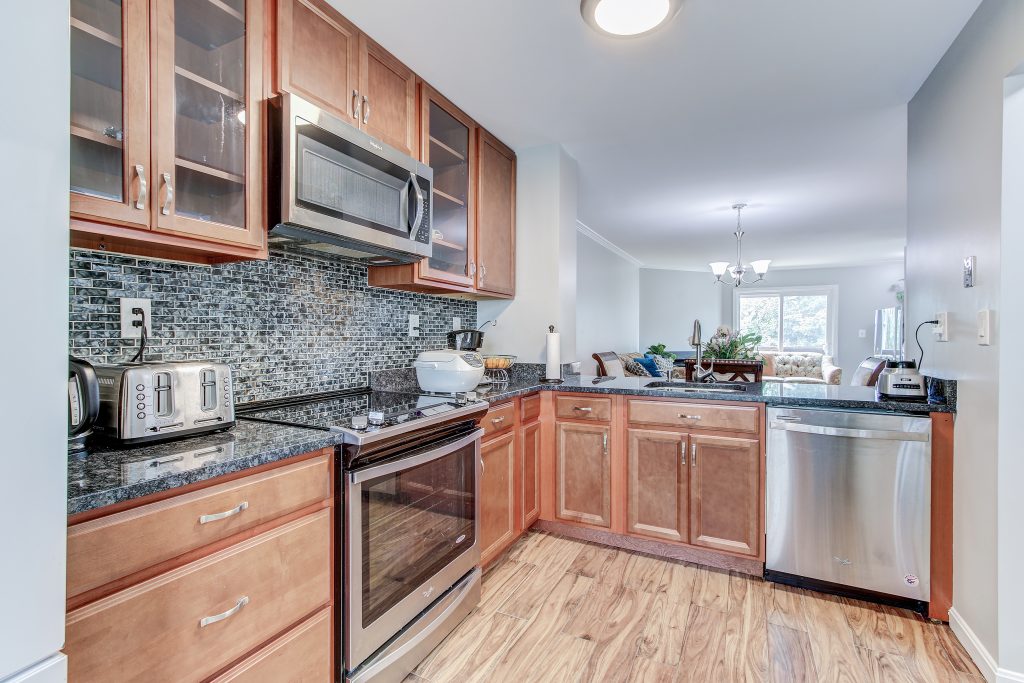
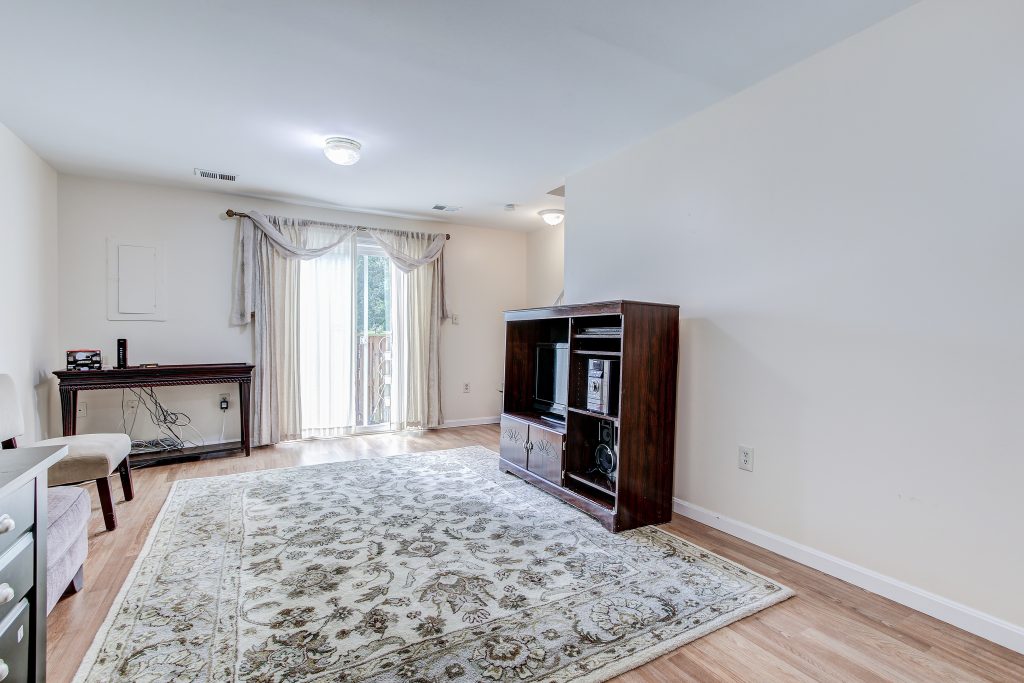
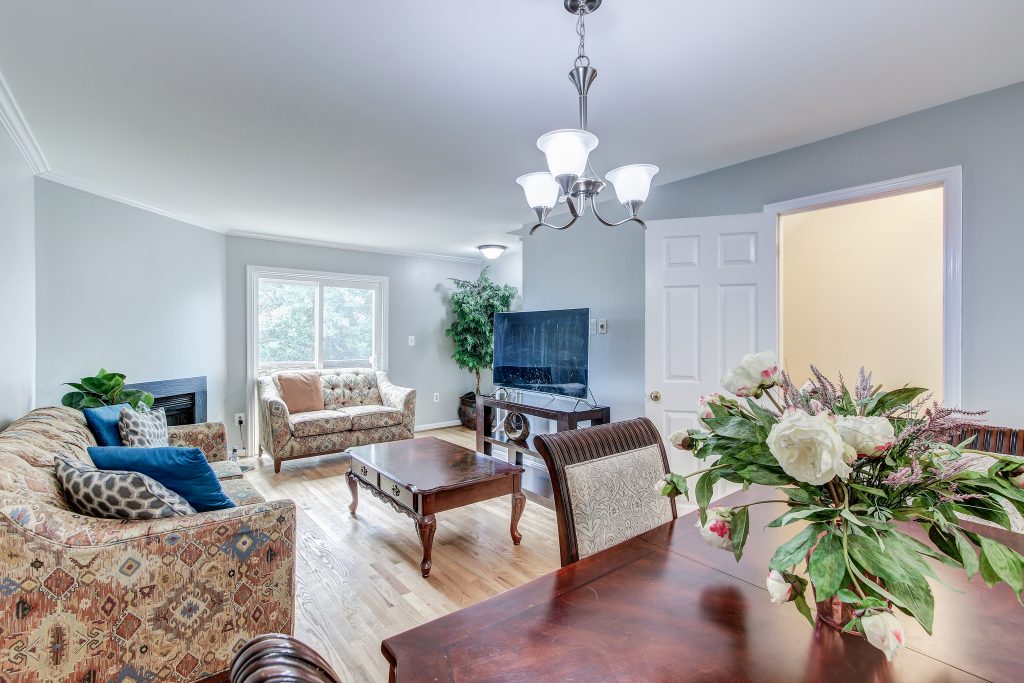
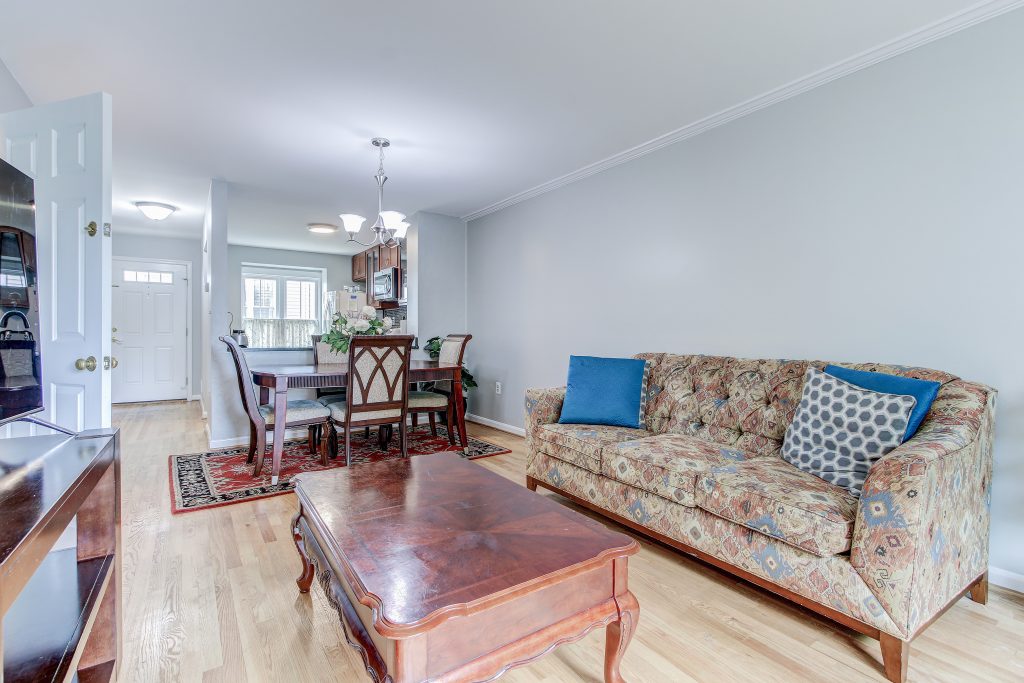
For Sale: Less than 24 hours on the market, 20+ showings and counting with an owner occupied home.
3938 9th Road S, Arlington VA | #ArlingtonRealEstate Link To Listing | Virtual Tour Bedrooms: 3 | Full Bath: 3.5 | Sq. Feet: 1632
Pending Home Sales increased by 44.3% in May, registering the highest month-over-month gain in the index since the National Association of Realtors (NAR) started tracking this metric in January 2001. So, what exactly are pending home sales, and why is this rebound so important?
According to NAR, the Pending Home Sales Index (PHS) is:
“A leading indicator of housing activity, measures housing contract activity, and is based on signed real estate contracts for existing single-family homes, condos, and co-ops. Because a home goes under contract a month or two before it is sold, the Pending Home Sales Index generally leads Existing-Home Sales by a month or two.”
In real estate, pending home sales is a key indicator in determining the strength of the housing market. As mentioned before, it measures how many existing homes went into contract in a specific month. When a buyer goes through the steps to purchase a home, the final one is the closing. On average, that happens about two months after the contract is signed, depending on how fast or slow the process takes in each state.
Why is this rebound important?
With the COVID-19 pandemic and a shutdown of the economy, we saw a steep two-month decline in the number of houses that went into contract. In May, however, that number increased dramatically (See graph below):This jump means buyers are back in the market and purchasing homes right now. Lawrence Yun, Chief Economist at NAR mentioned:
“This has been a spectacular recovery for contract signings and goes to show the resiliency of American consumers and their evergreen desire for homeownership…This bounce back also speaks to how the housing sector could lead the way for a broader economic recovery.”
But in order to continue with this trend, we need more houses for sale on the market. Yun continues to say:
“More listings are continuously appearing as the economy reopens, helping with inventory choices…Still, more home construction is needed to counter the persistent underproduction of homes over the past decade.”
As we move through the year, we’ll see an increase in the number of houses being built. This will help combat a small portion of the inventory deficit. The lack of overall inventory, however, is still a challenge, and it is creating an opportunity for homeowners who are ready to sell. As the graph below shows, during the last 12 months, the supply of homes for sale has been decreasing year-over-year and is not keeping up with the demand from homebuyers.
Bottom Line
If you decided not to sell this spring due to the health crisis, maybe it’s time to jump back into the market while buyers are actively looking for homes. Let’s connect today to determine your best move forward.
The current real estate environment poses a great opportunity for sellers and buyers. Timing couldn’t be better for both.
Demand for housing is high
Supply/Inventory is low, below what experts consider balanced
Interest rates are historically low
In this market sellers earn top value for their home and buyers experience greater buying power and increased affordability.
Some Highlights:
The Mid Atlantic Region to include DC, VA, MD, parts of WV, PA and DE housing Months of Supply is 2, well below the 4 to 6 months which is generally considered a balanced market.
The impact your interest rate has on your monthly mortgage payment is significant. An increase of just $20 dollars in your monthly payment can add up to $240 per year or $7,200 over the life of your loan. Maybe it’s time to lock in now while rates are still low.
How can you take advantage of this market? Don’t wait and see, connect with a RE professional and make a plan.
Buyers sometimes can potentially sabotage a home purchase? Some factors to be aware of…: – You can read the full article here
Having unrealistic expectations – Balancing market realities with the price point that they can afford is important.
Hesitating – There is often a short window to pull the trigger when buyers come across “the one,” especially if it has just hit the market.
Making low-ball offers -Buyers risk alienating the seller, leaving the door open for other offers and, perhaps, losing out on what they want.
Being inflexible – The ability to adapt and function from a position of give-and-take is a must.
My clients illustrate success when one is realistic, stays within budget, is ready and willing to act quickly, then can make an offer based on market conditions and information shared about the seller’s priorities. Such clients were able to close on exactly what they were searching for without compromise. ….and $50,000 below asking price.





![The Cost of Renting Vs. Buying a Home [INFOGRAPHIC] | MyKCM](https://files.mykcm.com/2020/08/27112012/20200828-MEM-1046x1129.jpg)




![Interest Rates Over Time [INFOGRAPHIC] | MyKCM](https://files.mykcm.com/2020/02/20093247/20200221-MEM-1046x837.jpg)


