NAR Report Shows Share of Millennial Home Buyers Continues to Rise

March 23, 2022

Key Highlights:

  • Millennials now make up 43% of home buyers – the most of any generation – an increase from 37% last year.
  • Generation X bought the most expensive homes at a median price of $320,000.
  • The largest share of buyers purchased in suburban areas and small towns.
  • Eighty-seven percent of all buyers purchased their home through an agent. 

WASHINGTON (March 23, 2022) – The share of millennial home buyers increased significantly over the past year. They are also the most likely generation to use the internet to find the home they ultimately purchase and most likely to use a real estate agent.

This is according to the latest study from the National Association of Realtors®, the 2022 Home Buyer and Seller Generational Trends report, which examines the similarities and differences of recent home buyers and sellers across generations.1 The NAR report found that the combined share of younger millennial (23 to 31 years old) and older millennial buyers (32 to 41 years old) rose to 43% in 2021, up from 37% the year prior. Almost two out of three younger millennials – 65% – found the home they ultimately purchased on the internet, a number that gradually decreases with older generations. Eighty-seven percent of all buyers purchased their home through an agent. This number was highest with younger millennials (92%) and older millennials (88%).

“Some young adults have used the pandemic to their financial advantage by paying down debt and cutting the cost of rent by moving in with family. They are now jumping headfirst into homeownership,” said Jessica Lautz, NAR’s vice president of demographics and behavioral insights. “While young buyers use new tech tools, they also use real estate agents at higher rates than other buyers to help find the right home and negotiate the terms of the transaction.”

Buyers from all generations agreed about the top reasons for using an agent: they wanted help finding the right home to purchase, negotiating the terms of sale and negotiating the price. The silent generation – those between the ages of 76 and 96 – as well as younger millennials were also more likely to want their agent to help with paperwork.

Those between the ages of 42 and 56 – Generation X – had the highest median household income at $125,000. They bought the most expensive and second-largest homes at a median price of $320,000 and size of 2,300 square feet, respectively. Older millennials purchased the largest homes at 2,400 square feet, and the silent generation bought the smallest at 1,800 square feet. Across all generations, the largest share of buyers purchased in suburban areas (51%) and small towns (20%).

“Not surprisingly, younger generations typically upgraded in size and price while older generations purchased more affordable properties,” Lautz said. “The majority of all generations bought single-family homes at higher shares than other housing types, and younger buyers dispelled the myth that they are flocking to city centers. When it comes to location, the suburbs and small towns are the places to buy.”

Three out of five of recent buyers – 60% – were married couples, 19% were single females, 9% were single males and 9% were unmarried couples. The highest share of unmarried couples were younger millennials at 21%. Single-female buyers significantly outnumbered single-male buyers across all generations. The highest percentage of single-female buyers was in the silent generation at 27%.

The study also found that first-time home buying among younger generations is on the rise, with over 4 out of 5 younger millennial home buyers – 81% – purchasing for the first time. Just under half – 48% – of older millennial buyers were first-time buyers.

“While the pandemic allowed many potential buyers to save for a down payment, demographics played a key role,” Lautz said. “There is a wave of millennial buyers who are aging into the traditional first-time buyer age range.” Boomers made up the largest share of home sellers at 42%, although the percentage of millennial sellers is on the rise, increasing from 22% to 26% over the past year. Lautz noted that for the first time it is now more likely for an older millennial to be a first-time seller than a first-time buyer.

“Many factors can contribute to the decision to buy or sell a home,” Lautz continued. “For all home buyers under the age of 57, the main driver was the desire to own a home of their own. Among those 57 and older, the desire to be closer to friends and family was the top reason, followed by the desire for a smaller home.”

Younger generations tended to move shorter distances when relocating. Among all ages, there was a median of 15 miles from the homes where recent buyers previously resided and the homes that they purchased. That distance was lowest among younger millennials (10 miles) and highest among older boomers (35 miles).

Overall, buyers expected to live in their homes for 12 years, down from 15 years last year. For younger millennials and the silent generation, the expected duration was only 10 years, compared to 20 years for younger boomers.

Debt continues to be a significant barrier for many when attempting to buy a home. Both Generation X and younger boomers delayed purchasing a home for five years due to debt, the longest of all age groups. Younger millennials had the highest share of student debt at 45%, with a median amount of $28,000. Twenty-seven percent of younger millennials cited that saving for a down payment was the most challenging step in the home buying process, compared to just 1% for older boomers. Nearly one in three – 29% – of younger millennials received down payment help in the form of a gift or loan from a friend or relative and 24% lived with friends or family, directly saving on rental costs.

Despite this hurdle, a vast majority of buyers have a positive outlook on homeownership. Eighty-six percent of all buyers reported they viewed a home purchase as a good investment, and roughly nine out of 10 people – 89% – said that they would recommend their agent for future services.

“A truth across all generations is that homeownership is seen as a cornerstone of the American dream,” said NAR President Leslie Rouda Smith, a Realtor® from Plano, Texas, and a broker associate at Dave Perry-Miller Real Estate in Dallas. “From building personal wealth and fostering communities, to strengthening social stability and driving the national economy, the value of homeownership is indisputable. Home buyers continue to turn to Realtors® as a trusted resource for helping find the right home and successfully navigating this increasingly complex process.”

The National Association of Realtors® is America’s largest trade association, representing more than 1.5 million members involved in all aspects of the residential and commercial real estate industries.

# # #1 Survey generational breakdowns: Generation Z: (ages 18-22); younger Generation Y/millennials (ages 23-31); older Generation Y/millennials (ages 32-41); Generation X (ages 42-56); younger boomers (ages 57-66); older boomers (ages 67-75); and the silent generation (ages 76-96).
NAR: Feb. Existing-Home Sales Drop 7.2%

By Kerry Smith

Year-to-year, sales declined 2.4%. NAR’s chief economist calls it a “double whammy” for buyers who face rising mortgage rates and sustained price increases.

WASHINGTON – U.S. existing-home sales dipped in February, continuing a seesawing pattern of gains and declines over the last few months, according to the National Association of Realtors® (NAR).

Each of the four major U.S. regions tracked in NAR’s monthly survey saw sales fall on a month-over-month basis. While sales activity year-over-year was also down overall, the South – the region that includes Florida – saw an increase while the remaining three regions reported drops.

Total existing-home sales – completed transactions that include single-family homes, townhomes, condominiums and co-ops – sank 7.2% from January to a seasonally adjusted annual rate of 6.02 million in February. Year-over-year, sales decreased 2.4% (6.17 million in February 2021).

“Housing affordability continues to be a major challenge as buyers are getting a double whammy: rising mortgage rates and sustained price increases,” says Lawrence Yun, NAR’s chief economist. “Some who had previously qualified at a 3% mortgage rate are no longer able to buy at the 4% rate.

“Monthly payments have risen by 28% from one year ago – which interestingly is not a part of the consumer price index – and the market remains swift with multiple offers still being recorded on most properties.”

Total housing inventory at the end of February totaled 870,000 units, up 2.4% from January and down 15.5% from one year ago (1.03 million). Unsold inventory sits at a 1.7-month supply at the current sales pace, up from the record-low supply in January of 1.6 months, but down from 2.0 months in February 2021.

“The sharp jump in mortgage rates and increasing inflation is taking a heavy toll on consumers’ savings,” Yun says. “However, I expect the pace of price appreciation to slow as demand cools and as supply improves somewhat due to more home construction.”

The median existing-home price for all housing types in February was $357,300, up 15.0% from February 2021 ($310,600), with prices higher in all four regions. It’s the 120th consecutive months for year-over-year increases – the longest-running streak on record.

Properties typically remained on the market for 18 days in February, down from 19 days in January and 20 days in February 2021, with 84% of February homes on the market for less than a month.

First-time buyers made up 29% of February sales, an increase from 27% in January, though down from 31% in February 2021.

Individual investors or second-home buyers, who make up many cash sales, purchased 19% of homes in February, down from 22% in January and up from 17% in February 2021. All-cash sales accounted for 25% of transactions in February, down from 27% in January and up from 22% in February 2021.

Distressed sales – foreclosures and short sales – represented less than 1% of sales in February, equal to the percentage seen both month-to-month and year-to-year.

According to Freddie Mac, the average commitment rate for a 30-year, conventional, fixed-rate mortgage was 3.76% in February, up from 3.45% in January. The average commitment rate across all of 2021 was 2.96%.

Single-family and condo/co-op sales: Single-family home sales jumped to a seasonally adjusted annual rate of 5.35 million in February, down 7.0% month-to-month and down 2.2% year-to-year. The median existing single-family home price was $363,800 in February, up 15.5% from February 2021.

Existing condominium and co-op sales were recorded at a seasonally adjusted annual rate of 670,000 units in February, down 9.5% from 740,000 in January and down 4.3% from one year ago. The median existing condo price was $305,400 in February, an annual increase of 10.9%.

“For the past couple of years, buyers have had to contend with a market of high demand, low inventory and a mix of uncertainties with COVID-19 protocols,” says NAR President Leslie Rouda Smith. “Consumers are presently challenged with higher mortgage rates, so now, more than ever, interested buyers need the trusted expertise of Realtors in order to navigate this current market.”

Regional breakdown: Existing-home sales in the Northeast slipped 11.5% in February, registering an annual rate of 690,000 – a 12.7% drop from February 2021. The median price in the Northeast was $383,700, up 7.1% from one year ago.

Existing-home sales in the Midwest sagged 11.3% from the prior month to an annual rate of 1,330,000 in February, a 1.5% decrease from February 2021. The median price in the Midwest was $248,900, a 7.5% climb from February 2021.

Existing-home sales in the South fell 5.1% in February month-to-month, posting an annual rate of 2,790,000 – which was an increase of 3.0% compared to February 2021. The median price in the South was $318,800, an 18.1% jump from one year earlier.

For the sixth straight month, the South experienced the highest pace of price appreciation compared to the other regions.

“Employment is vital for housing demand,” said Yun. “The Southern states are seeing faster job growth, and consequently, it’s the only region to experience a sales gain from a year ago.”

Existing-home sales in the West slid 4.7% from the previous month, reporting an annual rate of 1,210,000 in February, down 8.3% from one year ago. The median price in the West was $512,600, up 7.1% from February 2021.


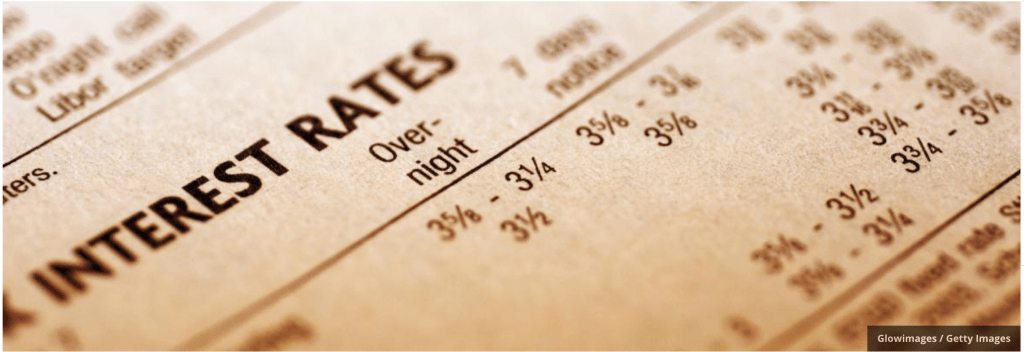
Fed Fights Inflation: Boosts Interest Rates 1/4 Point

By Christopher Rugaber

The expected interest-rate increase will raise short-term borrowing costs for things like credit cards, and it often has an indirect impact on mortgage rates.

WASHINGTON (AP) – The Federal Reserve launched a high-risk effort Wednesday to tame the worst inflation since the 1970s, raising its benchmark short-term interest rate and signaling potentially up to seven rate hikes this year.

The Fed’s quarter-point hike in its key rate, which it had pinned near zero since the pandemic recession struck two years ago, marks the start of its effort to curb the high inflation that has followed the recovery from the recession. The rate hikes will eventually mean higher loan rates for many consumers and businesses.

The central bank’s policymakers expect inflation to remain elevated and to end 2022 at 4.3%, according to updated quarterly projections they released Wednesday. That’s far above the Fed’s 2% annual target. The officials also now forecast much slower economic growth this year: 2.8%, down from its 4% estimate in December.

Chair Jerome Powell is steering the Fed into a sharp U-turn. Officials had kept rates ultra-low to support growth and hiring during the recession and its aftermath. As recently as December, Fed officials had expected to raise rates just three times this year. Now, its projected seven hikes would raise its short-term rate to 1.875% at the end of 2022. It could increase rates by a half-point at future meetings.

Fed officials also forecast four additional hikes in 2023, boosting its benchmark rate to 2.8%. That would be the highest level since March 2008. Borrowing costs for mortgage loans, credit cards and auto loans will likely rise as a result.

Powell is hoping that the rate hikes will achieve a difficult and narrow objective: Raising borrowing costs enough to slow growth and tame high inflation, yet not so much as to topple the economy into recession.

Yet many economists worry that with inflation already so high – it reached 7.9% in February, the worst in four decades – and with Russia’s invasion of Ukraine driving up gas prices, the Fed may have to raise rates even higher than it now expects and potentially tip the economy into recession.

By its own admission, the central bank underestimated the breadth and persistence of high inflation after the pandemic struck. Many economists say the Fed made its task riskier by waiting too long to begin raising rates.

Since its last meeting in January, the challenges and uncertainties for the Fed have escalated. Russia’s invasion has magnified the cost of oil, gas, wheat and other commodities. China has closed ports and factories again to try to contain a new outbreak of COVID, which will worsen supply chain disruptions and likely further fuel price pressures.

In the meantime, the sharp rise in average gas prices since the invasion, up more than 60 cents to $4.31 a gallon nationally, will send inflation higher while also probably slowing growth – two conflicting trends that are notoriously difficult for the Fed to manage simultaneously.

The economy’s steady expansion does provide some cushion against higher rates and more expensive gas. Consumers are spending at a healthy pace, and employers keep rapidly hiring. There are still a near-record 11.3 million job openings, far outnumbering the number of unemployed.

Copyright 2022 The Associated Press. All rights reserved. This material may not be published, broadcast, rewritten or redistributed without permission.


The Federal Reserve Is Ready To Raise Interest Rates Soon Despite The War In Ukraine

SCOTT HORSLEY Twitter LISTEN· 4:10
Heard on All Things Considered

Federal Reserve Chair Jerome Powell testifies about monetary policy and the state of the economy before the House Financial Services Committee on Wednesday. Powell reiterated the Fed is gearing up to raise interest rates this month.

Federal Reserve Chair Jerome Powell said on Wednesday the central bank is on track to start raising interest rates this month — likely by a quarter percentage point — in an effort to combat inflation, which is the highest it’s been in nearly 40 years.

But the Fed will proceed with caution, Powell told the House Financial Services Committee, as Russia’s invasion of Ukraine adds more uncertainty to the economic outlook.

“The economics of these events are highly uncertain,” Powell said. “So far, we’ve seen energy prices move up further and those increases will move through the economy and push up headline inflation, and also they’re going to weigh on spending.”

The average price of gasoline in the U.S. approached $3.66 per gallon on Wednesday. Rising energy prices have been a significant driver of annual inflation, which hit 7.5% in January – the highest level since 1982.

Powell says it’s too soon to tell on Ukraine

Powell said it’s too soon to know how large or long-lasting price increases tied to events in Ukraine will be, so he and his colleagues on the central bank’s rate-setting committee are prepared to be flexible.

“We’re never on auto-pilot,” Powell said. “Those of us on the committee have an expectation that inflation will peak and begin to come down this year. And to the extent that inflation comes in higher or is more persistently high than that, then we would be prepared move more aggressively.”

Forecasters expect the Fed to impose additional interest rate hikes later this year in an effort to cool red-hot consumer demand, which has outstripped supply and driven prices sharply higher.


read the NPR full article


Housing Wealth Is Setting New Records For Both Owners And Sellers

By: Diana Olick CNBC Real Estate Correspondent

KEY POINTS

  • The profit on a typical home sale last year was just over $94,000, an increase of 45% from the profit in 2020 and 71% from pre-pandemic profits.
  • About 42% of homeowners were considered equity-rich at the end of last year
  • The amount of tappable equity (equity above the 20% usually required by lenders to back a mortgage) grew by $2.6 trillion last year to a record total of $9.9 trillion.

The stunning jump in home values over the course of the Covid-19 pandemic has given U.S. homeowners record amounts of housing wealth. What they choose to do with it could have impacts on the broader economy. 

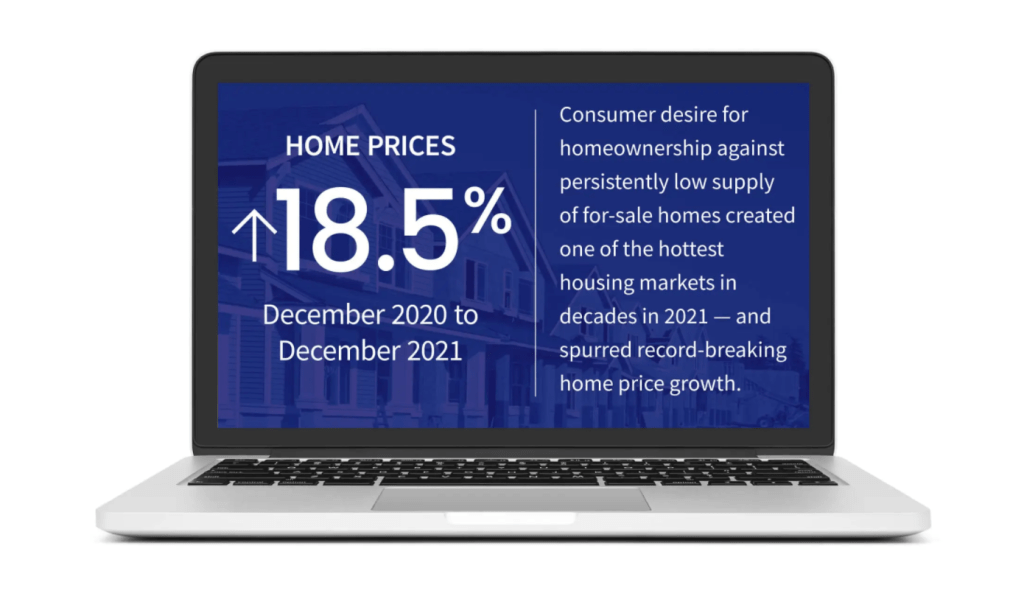
Annual home price gains averaged 15% in 2021, up from 6% in 2020, according to CoreLogic. Strong pandemic-driven demand, record low supply and record low mortgage rates conspired to create those hefty gains. Bidding wars are now the norm, and desperate buyers are competing with investors who want to cash in on the hot market. The upward trend is continuing, despite winter being historically the slowest season for housing.

“While we expect this year’s buyers will eventually see some relief from the 2021 frenzy, home shoppers continue to face challenging conditions in the early days of 2022,” said Danielle Hale, chief economist for Realtor.com. “In fact, last week’s home price and time on market trends suggest competition intensified.”


Americans Choose Real Estate as the Best Investment

  • According to a Gallup poll, real estate has been rated the best long-term investment for eight years in a row.
  • Real estate tops the list because you’re not just buying a place to call home – you’re investing in your future. Real estate is typically considered a stable and secure asset that can grow in value over time.
  • Let’s connect today if you’re ready to make real estate your best investment this year.
Americans Choose Real Estate as the Best Investment [INFOGRAPHIC] | MyKCM

MLK’s Other Dream? Equal Housing Opportunity

A year before his death, he launched the Poor People’s Campaign to fight job and housing inequality, among other issues. Historians say the Poor People’s Campaign and the Chicago Open Housing Movement laid the groundwork for the 1968 Fair Housing ActMartin Luther King Jr.

Trikosko, Marion S.,/Library of CongressBY MARIAN MCPHERSONJanuary 15, 2018

This post was last updated Jan. 14, 2022. Inman News

Although Martin Luther King, Jr. is most remembered for his struggle to secure voting rights and stop segregation, the civil rights icon’s dream of racial equity reached far beyond integrated public life — it also included economic security and housing rights for the millions of minority and low-income Americans who’d been relegated to their cities’ under-resourced neighborhoods and housing projects.

King began planting the seeds of what would become the Poor People’s Campaign in Chicago, where thousands of Black Chicagoans struggled with job and housing insecurity — something they’d hoped they escaped during the Great Migration, the term used to describe a decades-long exodus from the fields of the South to the factories of the North.

Although some Black people found great success in Chicago, Detroit, New York City and other similar places, many more found the only thing that changed in their life was their address.

“We are here today because we are tired,” Dr. King said, according to a transcript of a speech he made at Chicago’s Soldier Field. “We are tired of paying more for less. We are tired of living in rat-infested slums … We are tired of having to pay a median rent of $97 a month in Lawndale for four rooms while whites living in South Deering pay $73 a month for five rooms.”

“Now is the time to make real the promises of democracy,” he added. “Now is the time to open the doors of opportunity to all of God’s children.”

According to articles by HuffPost and NPR, Dr. King spent much of 1966 in Chicago, even moving his family to an apartment on the city’s predominately Black west side. There, King and Southern Christian Leadership Conference (SCLC) launched the Chicago Open Housing Movement, whose goals included the rehab of public housing, increasing the supply of affordable housing, pushing for diversity and integration in businesses and unions, a $2 minimum wage and the abolition of wage garnishment.

Over the course of the year, King and SCLC activists held citywide rallies, planned demonstrations in front of real estate brokerages and marched into Chicago’s all-white neighborhoods, which were met with violent reactions from the city’s white residents. “Well, this is a terrible thing,” King said in a soundbite acquired by NPR. “I’ve been in many demonstrations all across the South, but I can say that I have never seen, even in Mississippi and Alabama, mobs as hostile and as hate-filled as I’m seeing in Chicago.”

Eager to quell the violence, Chicago’s mayor, Richard J. Daley, agreed to meet with King and other activists in August 1966 to work out an agreement, which included building future public housing with “limited height requirements,” and requiring the Mortgage Bankers Association to make mortgages available regardless of race.

King hailed the agreement ‘‘the most significant program ever conceived to make open housing a reality,’’ but tempered his assessment by recognizing it as only “the first step in a 1,000-mile journey.’’

The next year, King went back to the South and began planning the Poor People’s Campaign, which was built from his experiences in Chicago the year before. He and the SCLC began creating a blueprint for economic and housing equity that addressed the systems and policies that kept minority and low-income communities behind the eight ball.

“This is a highly significant event,” King told the SCLC in November 1967, according to an archive at Stanford’s King Institute. “[This] the beginning of a new co-operation, understanding, and a determination by poor people of all colors and backgrounds to assert and win their right to a decent life and respect for their culture and dignity.”

He garnered support from civil rights leaders in American Indian, Puerto Rican, Mexican American, and poor white communities and began planning another March on Washington to demand jobs, unemployment insurance, a fair minimum wage, and education for adults and children. “It’s as pure as a man needing an income to support his family,” King said.

King was assassinated before he could finish planning the demonstration; however, other SCLC leaders and his wife, Coretta Scott King, banned together and finished planning the march, which took place on Mothers’ Day 1968. After the initial demonstration, protestors pitched tents on the Mall in Washington and lobbied for fair employment and housing policies until their park permit expired a month later.

Even though the campaign was largely unsuccessful in making widespread change — they did secure free food surplus distribution to 200 counties — historians say the Poor People’s Campaign and the Chicago Open Housing Movement laid the groundwork for the 1968 Fair Housing Act, which ensures that all Americans have access to equal housing opportunities and outlaws discrimination based on an individual’s race, color, religion, sex, national origin, disability or familial status.

Although the Fair Housing Act has improved the living conditions of Americans, many readily point out there is still much work as evidenced by disproportionately low homeownership rates for Blacksrampant gentrification in communities of color, a lack of affordable housing for low-income individuals and families, and concerns about new technologies, such as Facebook, being used to discreetly discriminate.

“And we have to continue in the legacy of MLK and the civil rights movement and the legacy of abolition movements of before,” said Paige May, a Chicago resident who spoke to NPR after an event to celebrate MLK.

“We have a lot of work to do, but it’s also — it feels like a day that’s celebratory in a lot of ways, right? But in the sphere of struggle and resistance.”


Why Waiting To Sell Your House Could Cost You a Small Fortune

Why Waiting To Sell Your House Could Cost You a Small Fortune | MyKCM

Many homeowners who plan to sell in 2022 may think the wise thing to do is to wait for the spring buying market since historically about 40 percent of home sales occur between April and July. However, this year’s expected to be much different than the norm. Here are five reasons to list your house now rather than waiting until the spring.

1. Buyers Are Looking Right Now, and They’re Ready To Purchase

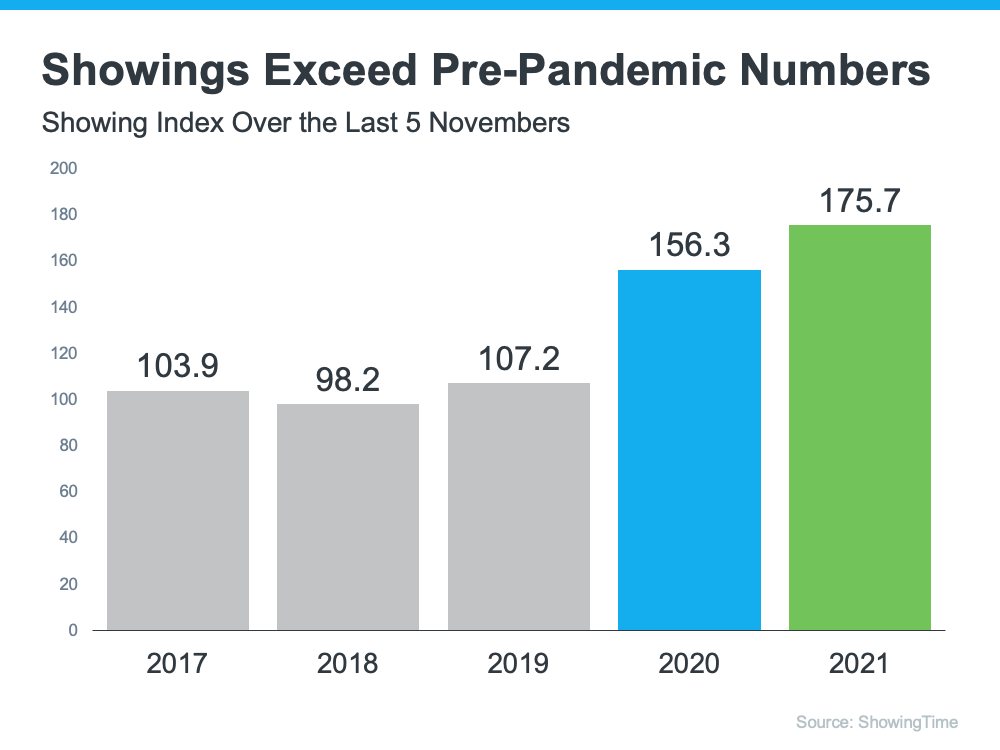
The ShowingTime Showing Index reports data from more than six million property showings scheduled across the country each month. In other words, it’s a gauge of how many buyers are out looking at homes at the current time.

The latest index, which covers November showings, reveals that buyers are still very active in the market. Comparing this November’s numbers to previous years, this graph shows that the index is higher than last year and much higher than the three years prior to the pandemic. Clearly, there’s an influx of buyers searching for your home.

Why Waiting To Sell Your House Could Cost You a Small Fortune | MyKCM

Also, at this time of year, only those purchasers who are serious about buying a home will be in the market. You and your loved ones won’t be inconvenienced by casual searchers. Freddie Mac addresses this in a recent blog:

“The buyers who are willing to house hunt in a winter market, when there are fewer options, are typically more serious. Plus, year-end bonuses and overtime payouts give people more purchasing power.”

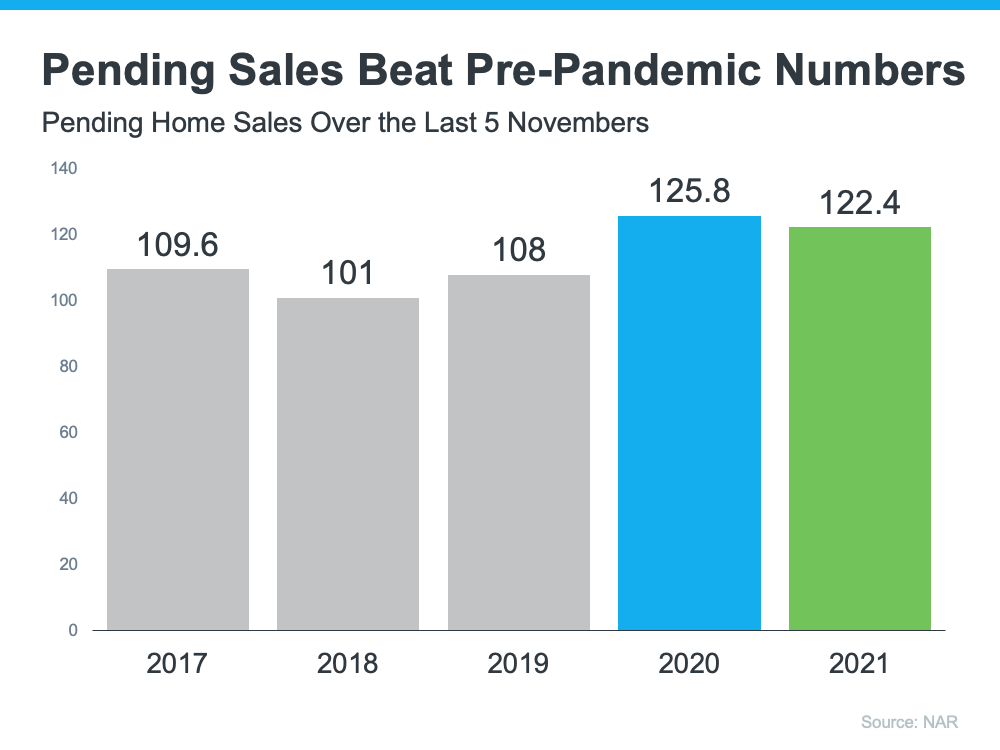
And that theory is proving to be true right now based on the number of buyers who have put a home under contract to purchase. The National Association of Realtors (NAR) publishes a monthly Pending Home Sales Index which measures housing contract activity. It’s based on signed real estate contracts for existing single-family homes, condos, and co-ops. The latest index shows:

“…housing demand continues to be high. . . . Homes placed on the market for sale go from ‘listed status’ to ‘under contract’ in approximately 18 days.”

Comparing the index to previous Novembers, while it’s slightly below November 2020 (when sales were pushed to later in the year because of the pandemic), it’s well above the previous three years.

Why Waiting To Sell Your House Could Cost You a Small Fortune | MyKCM

The takeaway for you: There are purchasers in the market, and they’re ready and willing to buy.

2. Other Sellers Plan To List Earlier This Year

The law of supply and demand tells us that if you want the best price possible and to negotiate your ideal contract terms, put your house on the market when there’s strong demand and less competition.

recent study by realtor.com reveals that, unlike in previous years, sellers plan to list their homes this winter instead of waiting until spring or summer. The study shows that 65% of sellers who plan to sell in 2022 have either already listed their home (19%) or are planning to put it on the market this winter.

Again, if you’re looking for the best price and the ability to best negotiate the other terms of the sale of your house, listing before this competition hits the market makes sense.

3. Newly Constructed Homes Will Be Your Competition in the Spring

In 2020, there were over 979,000 new single-family housing units authorized by building permits. Many of those homes have yet to be built because of labor shortages and supply chain bottlenecks brought on by the pandemic. They will, however, be completed in 2022. That will create additional competition when you sell your house. Beating these newly constructed homes to the market is something you should consider to ensure your house gets as much attention from interested buyers as possible.

4. There Will Never Be a Better Time To Move-Up

If you’re moving into a larger, more expensive home, consider doing it now. Prices are projected to appreciate by approximately 5% over the next 12 months. That means it will cost you more (both in down payment and mortgage payment) if you wait. You can also lock in your 30-year housing expense with a mortgage rate in the low 3’s right now. If you’re thinking of selling in 2022, you may want to do it now instead of waiting, as mortgage rates are forecast to rise throughout the year.

5. It May Be Time for You To Make a Change

Consider why you’re thinking of selling in the first place and determine whether it’s worth waiting. Is waiting more important than being closer to your loved ones now? Is waiting more important than your health? Is waiting more important than having the space you truly need?

Only you know the answers to those questions. Take time to think about your goals and priorities as we move into 2022 and consider what’s most important to act on now.

Bottom Line

If you’ve been debating whether or not to sell your house and are curious about market conditions in your area, let’s connect so you have expert advice on the best time to put your house on the market.


Mortgage rates will continue ticking up

By Clare Trapasso
Dec 1, 2021

3 of a 3 part series
Highlights:

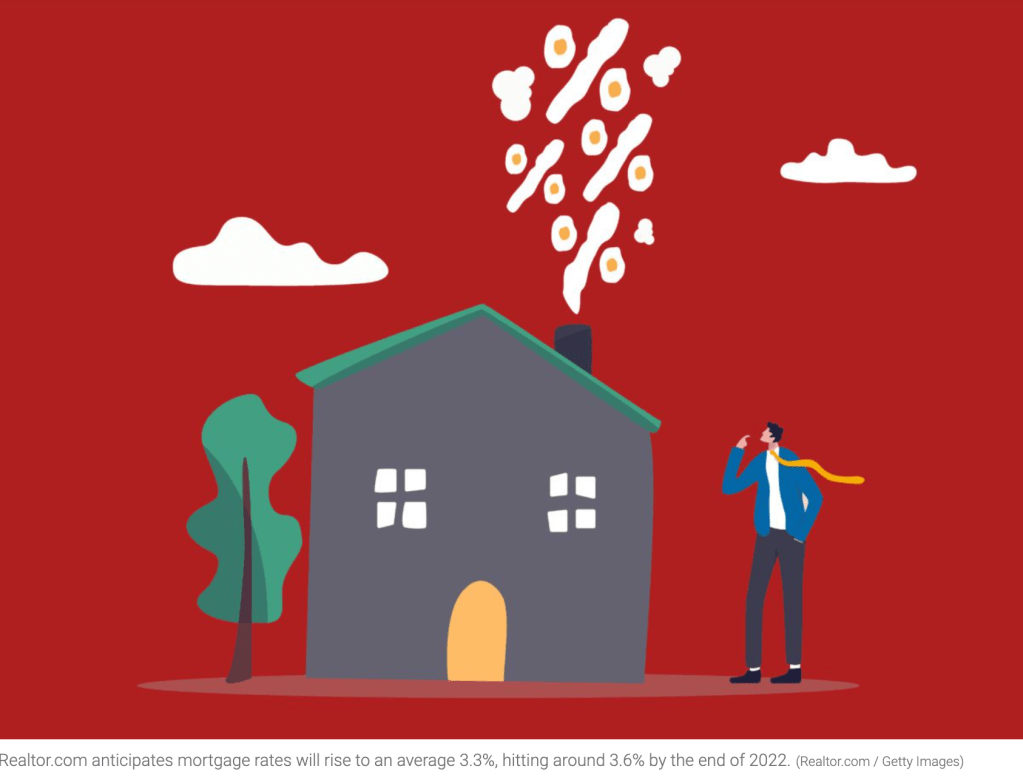
  • Realtor.com anticipates mortgage rates will rise to an average 3.3%, hitting around 3.6% by the end of 2022.
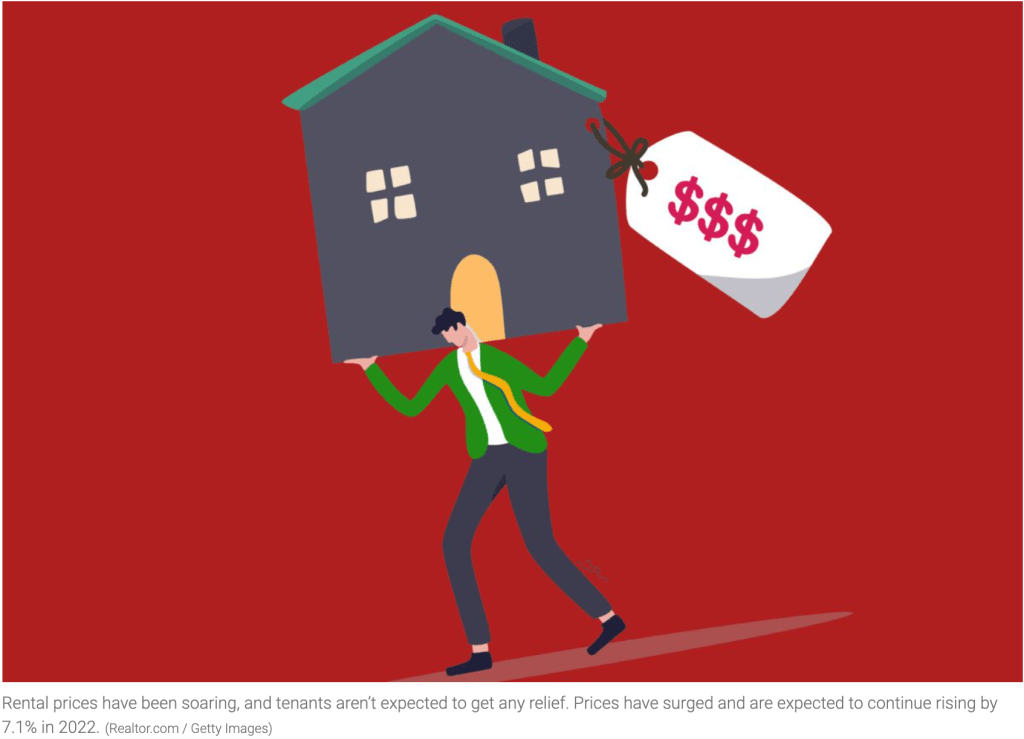
  • Rental prices have been soaring, and tenants aren’t expected to get any relief. Prices have surged and are expected to continue rising by 7.1% in 2022.
  • The culprit behind the price hikes: There simply aren’t enough homes to go around—for rent or sale.

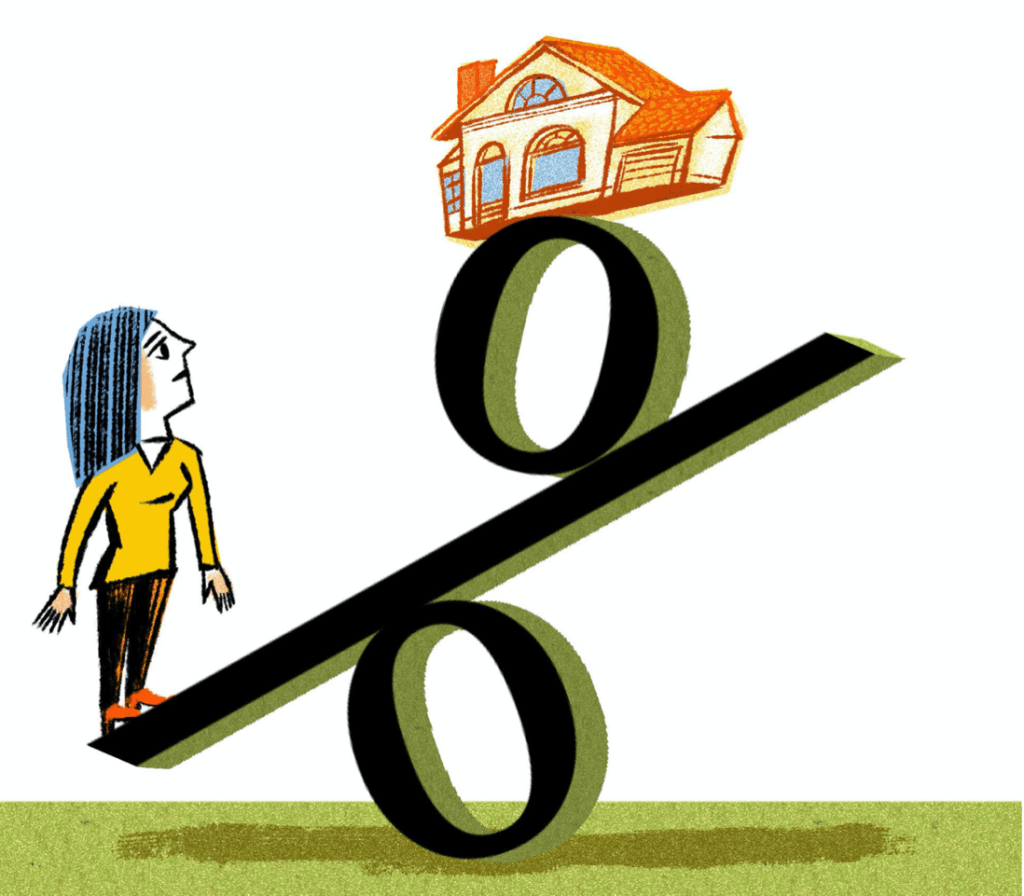
Mortgage rates have been the wild card to the housing market during the pandemic. Low rates at the start of COVID-19 helped fuel dizzying price jumps as buyers could afford to spend more on homes. That’s because they were paying less interest each month so they could absorb the higher home prices.

However, as the economy has improved and inflation has risen, making everything from a dozen eggs to a gallon of gas more expensive, rates are also expected to go up. That could help curb the runaway price growth that was seen in the spring. Buyers can stretch their budgets only so far.

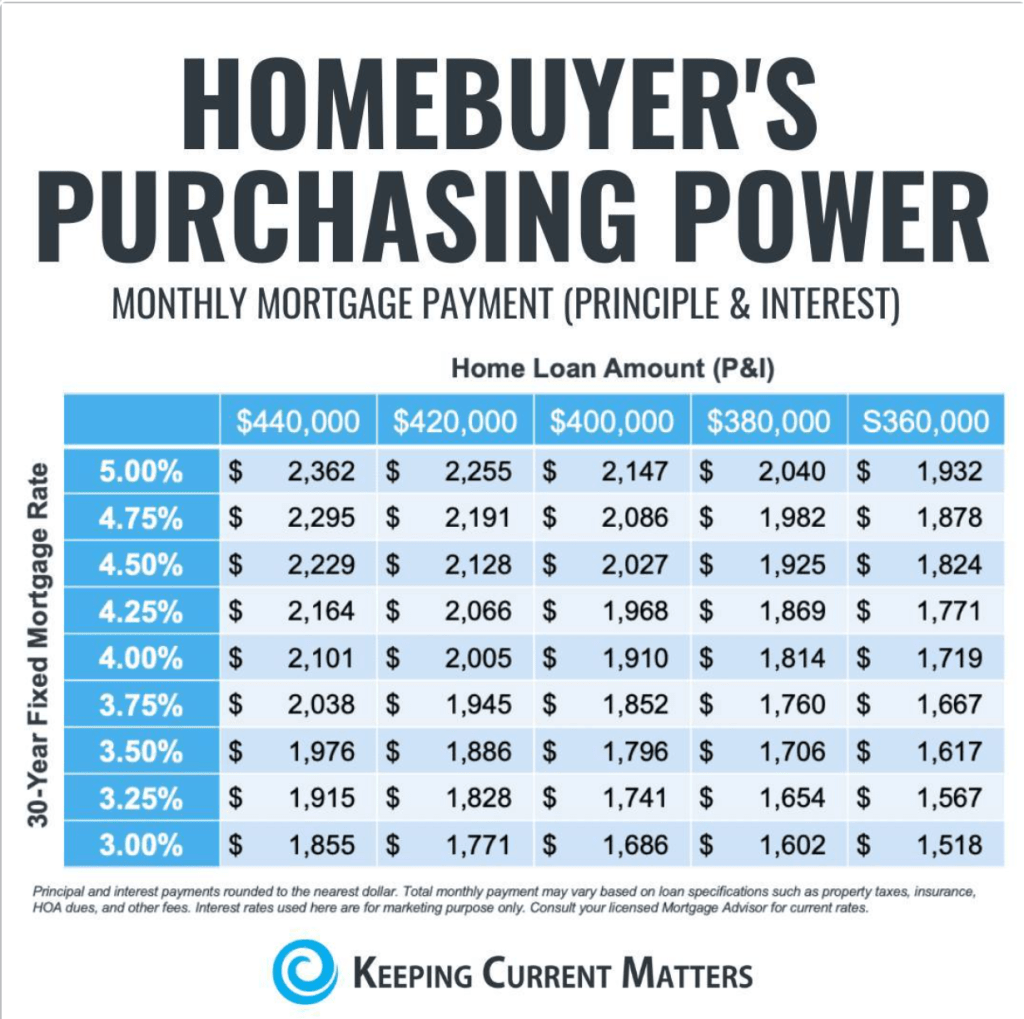
Realtor.com anticipates mortgage rates will rise to an average 3.3%, hitting around 3.6% by the end of 2022. That’s up from a low of 2.65% in the first week of January for 30-year fixed-rate loans, according to Freddie Mac data.

While that doesn’t sound like much of a hike, it adds up.

The difference of roughly a percentage point to 3.6% would result in about $157 extra tacked on to the monthly payment of a median-priced home of $380,000. That can total more than $56,500 over the life of a 30-year loan. (This assumes the buyers put down 20% and does not include property taxes, insurance costs, or homeowners association fees.)

It’s also likely to result in homebuying becoming even more expensive. With home prices continuing to tick up a little and rates increasing, those purchasing a home with a mortgage will wind up shelling out more each month.

Rents will keep shooting up higher than home prices

It isn’t just homebuying that’s gotten more expensive. Rental prices have been soaring, and tenants aren’t expected to get any relief. Prices have surged and are expected to continue rising by 7.1% in 2022.

At the beginning of the pandemic, as home sale prices spiraled, rents in many of the big cities dropped precipitously. Many tenants moved to larger, nicer apartments with more amenities at deeply discounted rents. Then this year, they were hit with steep increases even in smaller, more traditionally affordable cities and suburbs.

The culprit behind the price hikes: There simply aren’t enough homes to go around—for rent or sale. Many aspiring homebuyers who keep losing bidding wars or can’t afford high homes prices are stuck renting. Plus, there are plenty of folks who moved in with family and roommates or split up with their partners during the pandemic who are looking for their own rentals.

“With apartment vacancies still near historic lows and landlords making up for lost rent increases during the pandemic, rents are expected to continue to grow,” says Hale.


Not many more homes are expected to go up for sale

By Clare Trapasso
Dec 1, 2021

2 of a 3 part series
Highlights:

  • “The shortage of homes for sale, that has been more than a decade in the making, will keep home prices high,”
  • Millennials are a massive generation—next year, there will be more than 45 million millennials between the ages of 26 and 35, which are prime homebuying years.

Unfortunately, for frustrated buyers who have had trouble finding the right homes in the right locations at the right price, there isn’t expected to be a rush of homes hitting the market.

Realtor.com economists predict the number of homes for sale, which is hovering around record lows, will tick up only 0.3%. That’s partly due to builders having a tough time ramping up construction as they contend with shortages in workers and materials, compounded by the global supply chain backups. (Single-family housing starts, which is when builders start construction, is expected to rise only 5% next year.)

There are plenty of investors snapping up single-family homes and turning them into rentals. And there is no tidal wave of foreclosures expected to hit now that the government moratoriums are expiring.

There are also more homebuyers today than there are abodes for sale.

Millennials are a massive generation—next year, there will be more than 45 million millennials between the ages of 26 and 35, which are prime homebuying years. So there would need to be substantially more homes built to keep up with the needed housing—except builders stopped building during the Great Recession and there are fewer homes going up today.

“The shortage of homes for sale, that has been more than a decade in the making, will keep home prices high,” says Hale.

Sales will also continue to climb, hitting a 16-year high as they go up by 6.6%, Realtor.com economists anticipate. That’s partly because technology has sped up the homebuying process. Plus, buyers are jumping on whatever comes up for sale in record time before the property is snapped up by another eager buyer.

Attractively priced homes in good shape are expected to continue going under contract quickly.

“Homes are selling so much faster than they have in any previous [years],” says Hale.

That speed supports increased housing turnover as more abodes change hands as folks move into their first homes or relocate, trade up into larger residences, and downsize.

The popularity of the suburbs is also likely to endure. They emerged as the places to be during the pandemic as buyers could score more square footage and bigger yards for less money than in the bigger cities.

“For years, we heard about the dying suburbs because millennials didn’t want to live there, but as they age, guess where they’re heading?” asks Hale.

Some were even moving to the burbs before the pandemic.

“This budding trend was accelerated by the needs of aging millennials, often with families, trying to grapple head-on with the realities of doing more than ever before from home,” says Hale.

Remote work will also likely be a factor. With more workers telecommuting or going into the office only a few times a week, they don’t have to contend with grueling commutes five days a week. Many are more comfortable moving farther outside of the cities where they can get larger abodes with room for a home office at an attractive price.

That’s likely to keep prices high in desirable communities.

“Shoppers were looking for affordable homes with space that could be used flexibly to accommodate working, schooling, exercising, cooking, and all of the other living and relaxing we used to take for granted,” says Hale.

It won’t be easy for first-time homebuyers

First-time buyers are likely to continue struggling to compete with the offers over the asking price and win the bidding wars.

The ace in their pocket is the work-from-home phenomenon that has allowed many white-collar professionals to work from anywhere they have a strong Wi-Fi connection. So they may be able to relocate to cheaper destinations that make up for what they lack in Michelin star restaurants with more affordable home prices.

“Maybe they’re not buying a home in or near a major city where prices are high and the market is still competitive,” says Hale. “But they can move farther away from the city to the suburbs or to an entirely new city where it’s more affordable.”

The savings many who held on to their jobs were able to amass early on in the pandemic—when the stimulus checks went out and many folks cut back on dining out and traveling—may help them with the down payments. Some buyers temporarily moved back home with families or doubled up with friends to save on housing costs as well.

“I know a lot of people are expecting housing prices and sales to peak and then decline. Instead, I think there’s enough momentum from these younger buyers who want to get into the housing market to keep sales moving forward,” says Hale. “They are going to succeed because that drive to buy a home and make it happen when you’re ready is really strong.”