
Where Are Home Values Headed Over the Next 12 Months?

As shelter-in-place orders were implemented earlier this year, many questioned what the shutdown would mean to the real estate market. Specifically, there was concern about home values. After years of rising home prices, would 2020 be the year this appreciation trend would come to a screeching halt? Even worse, would home values begin to depreciate?

Original forecasts modeled this uncertainty, and they ranged anywhere from home values gaining 3% (Zelman & Associates) to home values depreciating by more than 6% (CoreLogic).

However, as the year unfolded, it became clear that there would be little negative impact on the housing market. As Mark Fleming, Chief Economist at First American, recently revealed:

“The only major industry to display immunity to the economic impacts of the coronavirus is the housing market.”

Have prices continued to appreciate so far this year?

Last week, the Federal Housing Finance Agency (FHFA) released its latest Home Price Index. The report showed home prices actually rose 6.5% from the same time last year. FHFA also noted that price appreciation accelerated to record levels over the summer months:

What are the experts forecasting for home prices going forward?

Below is a graph of home price projections for the next year. Since the market has changed dramatically over the last few months, this graph shows forecasts that have been published since September 1st.

Where Are Home Values Headed Over the Next 12 Months? | MyKCM

“Between May & July 2020, national prices increased by over 2%, which represents the largest two-month price increase observed since the start of the index in 1991.”

Bottom Line

The numbers show that home values have weathered the storm of the pandemic. Let’s connect if you want to know what your home is currently worth and how that may enable you to make a move this year.

Urban to Suburban Lean

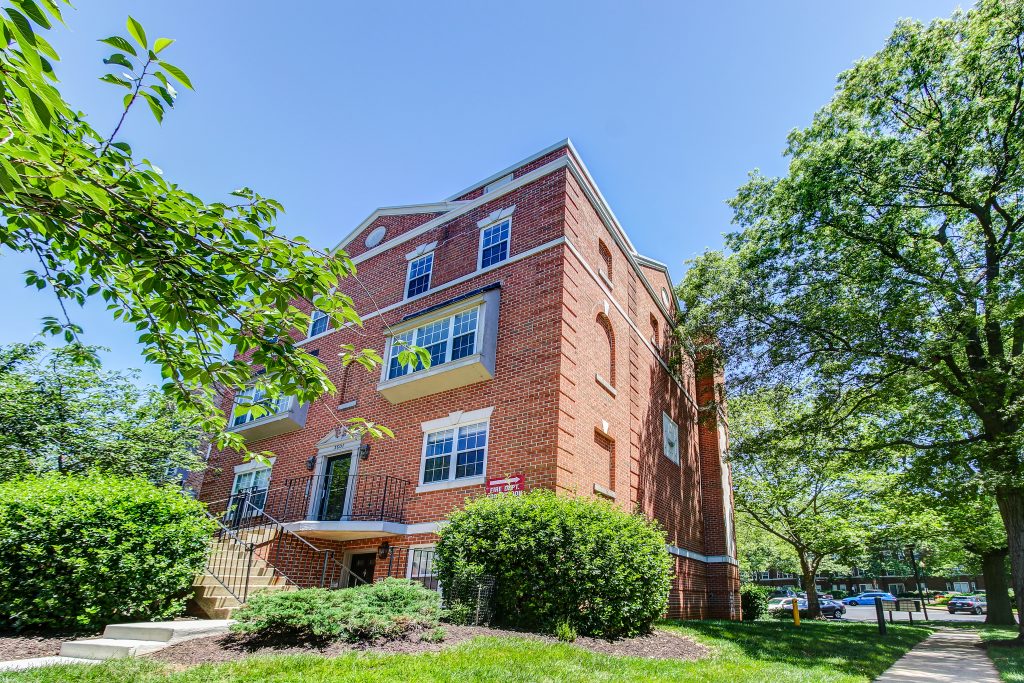
Congratulations Dave and Gulmira! After 14 years in Cleveland Park, DC it was time for more space and a sprawling yard. Despite the challenges of Covid-19, three rejected offers, a rent back and a short time rental they ended up with the perfect house and location for them. Thank you for trusting me to facilitate listing one home and buying the next.

Cleveland Park, DC to Kensington, MD – view listings

Two New Surveys Indicate Urban to Suburban Lean

There has been much talk around the possibility that Americans are feeling less enamored with the benefits of living in a large city and now may be longing for the open spaces that suburban and rural areas provide.

In a recent Realtor Magazine article, they discussed the issue and addressed comments made by Lawrence Yun, Chief Economist for the National Association of Realtors (NAR):

“While migration trends were toward urban centers before the pandemic, real estate thought leaders have predicted a suburban resurgence as home buyers seek more space for social distancing. Now the data is supporting that theory. Coronavirus and work-from-home flexibility is sparking the trend reversal, Yun said. More first-time home buyers and minorities have also been looking to the suburbs for affordability, he added.”

NAR surveyed agents across the country asking them to best describe the locations where their clients are looking for homes (they could check multiple answers). Here are the results of the survey:

  • 47% suburban/subdivision
  • 39% rural area
  • 25% small town
  • 14% urban area/central city
  • 13% resort community/recreational area

According to real estate agents, there’s a strong preference for less populated locations such as suburban and rural areas.

Real Estate Brokers and Owners Agree

Two New Surveys Indicate Urban to Suburban Lean | MyKCM

Zelman & Associates surveys brokers and owners of real estate firms for their monthly Real Estate Brokers Report. The last report revealed that 68% see either a ‘moderate’ or ‘significant’ shift to more suburban locations. Here are the results of the survey:

Bottom Line

No one knows if this will be a short-term trend or an industry game-changer. For now, there appears to be a migration to more open environments.